Can Charm Divination Help You Make Difficult Decisions?
How to use charms for perspective, reflection, and intuition...without asking them to make the choice for you.
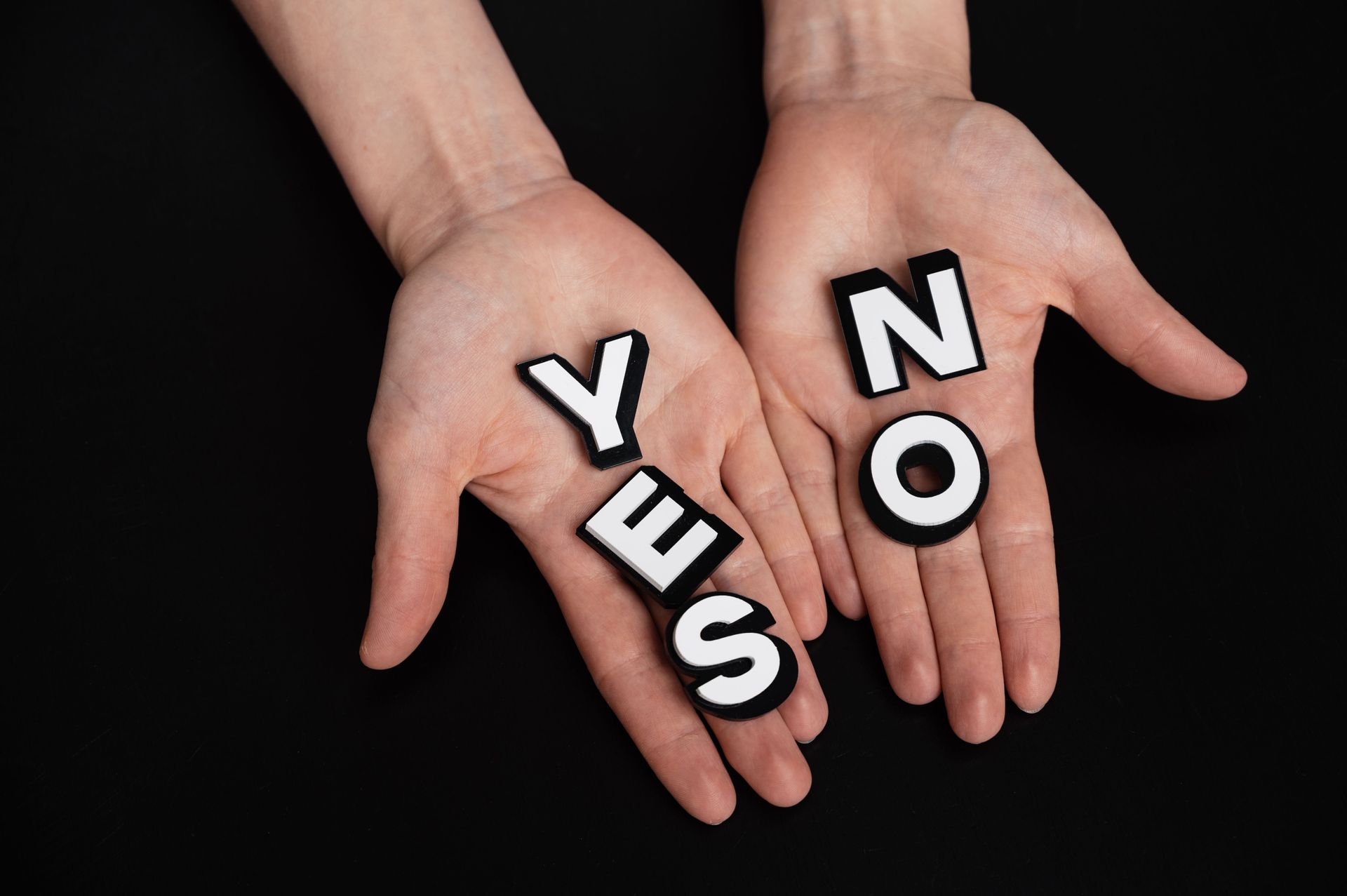
Have you ever wanted someone...or something...to just tell you what to do?
- Take the job or stay where you are?
- Have the conversation or let it go?
- Say yes to the opportunity or protect your time?
- Move forward or wait?
When a decision feels important, it can be tempting to look for a sign that says:
THIS ONE. Pick this. Definitely this.
Preferably in flashing neon with a guarantee attached.
Unfortunately, life rarely works that way. And I don't believe charm divination should work that way either. I don't use charms to hand over my decision-making power. I use them to help me see a situation differently.
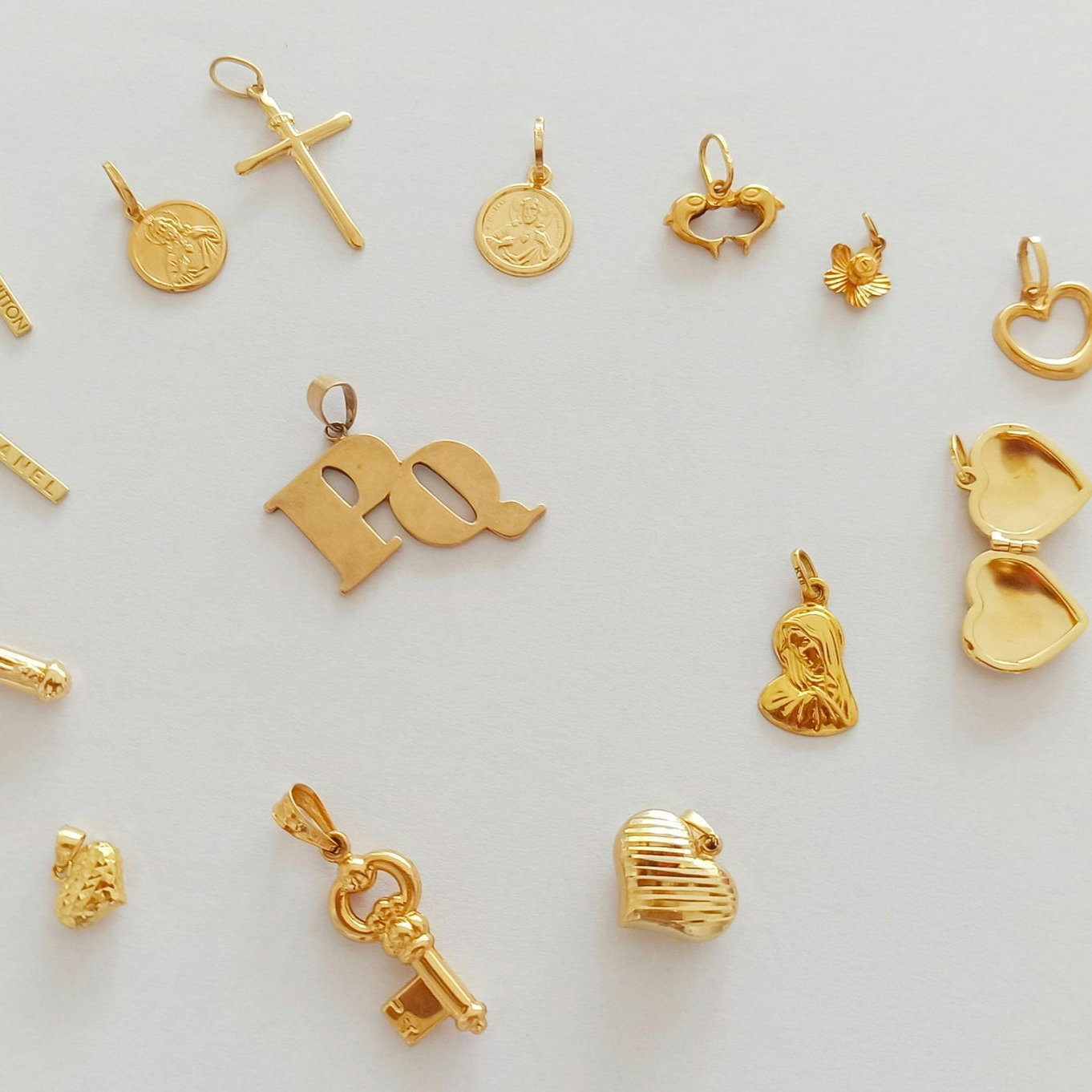
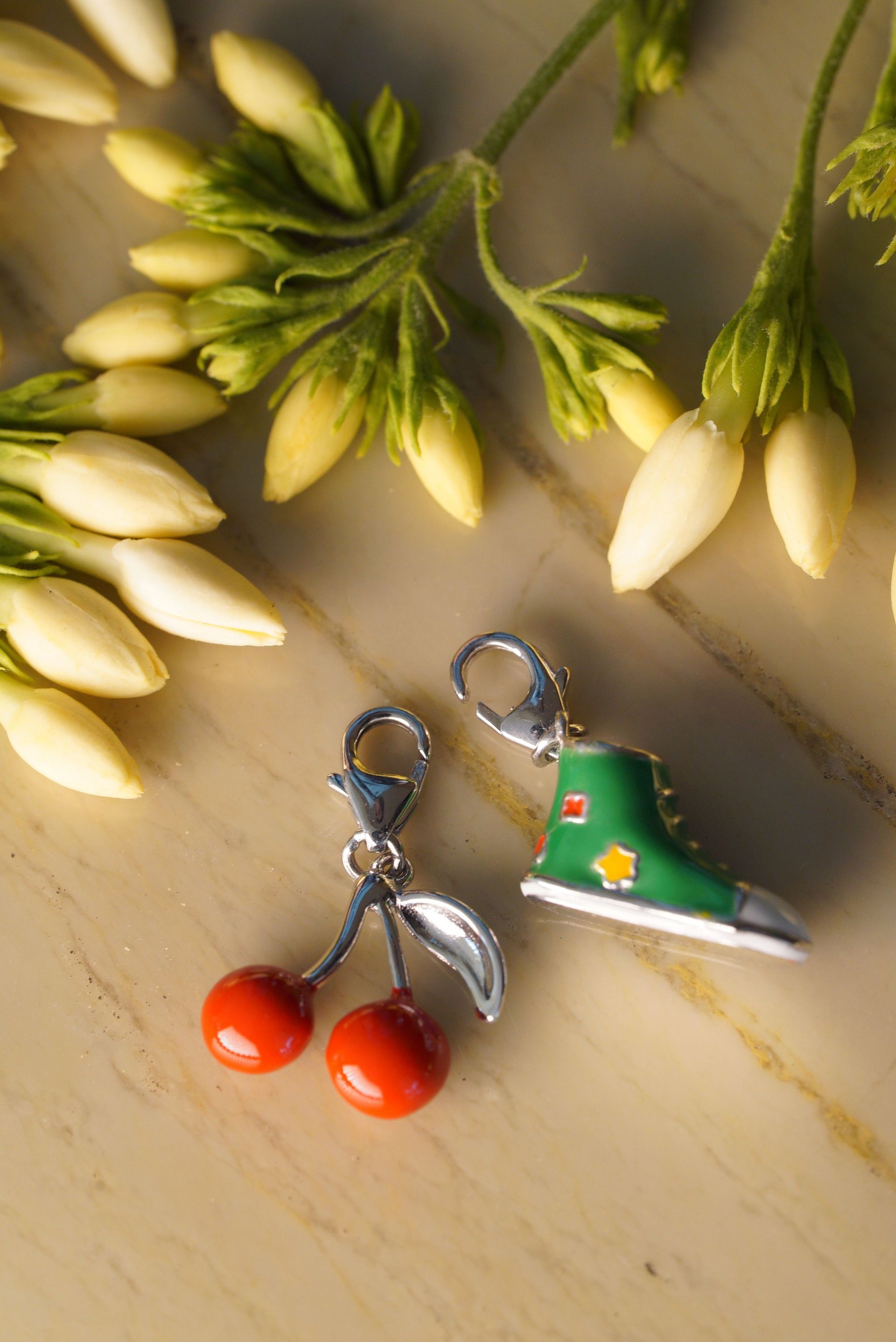
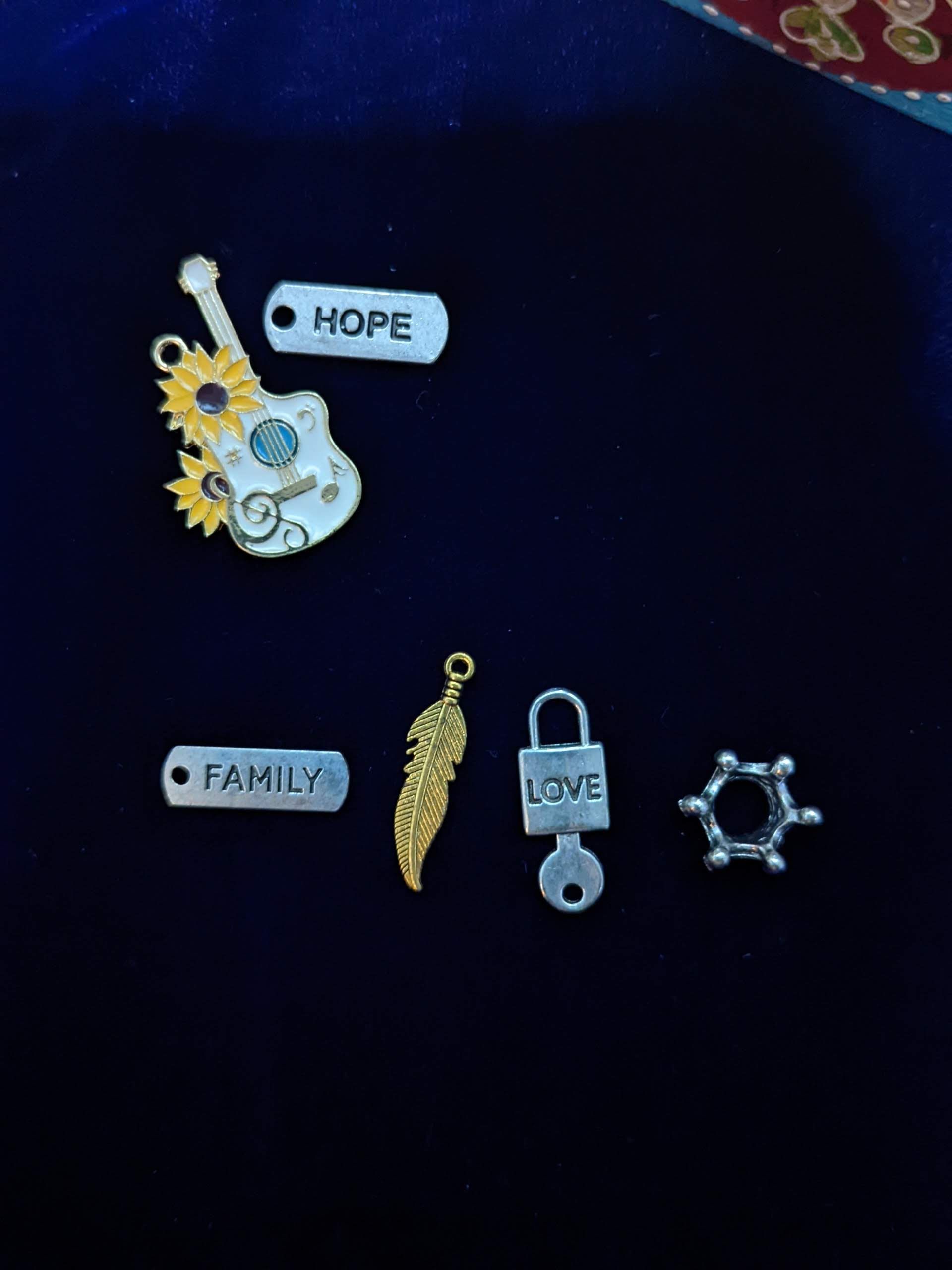
Sometimes a tiny symbol can bring your attention to something you've been overlooking, surface a feeling you haven't acknowledged, or give your intuition something tangible to respond to.
That distinction is important.
Charm divination doesn't have to make the decision for you to help you make a better decision.
Why Difficult Decisions Can Feel So Difficult
Usually, the decisions we struggle with aren't difficult because we have zero information. They're difficult because we have competing information. Part of you wants the opportunity. Part of you wants security. One choice makes logical sense.
The other feels exciting. You know what everyone else thinks you should do. You're just not sure what you think anymore.
Stress can make that even harder. Research into decision-making under uncertainty has found that stress can influence how we evaluate choices, risk, rewards, and possible outcomes.[1][2] This is one reason I find reflection practices so useful. Sometimes we don't need another person giving us another opinion. We need enough space to notice our own. And that's where charms can become interesting.
Charms Give Your Mind Something Different to Respond To
Imagine you've been offered a new opportunity. You've already made the pros-and-cons list. Twice. You've talked to your best friend. You've Googled things you didn't even know could be Googled. And somehow you are still stuck.
Now you pull a charm. It's an anchor. You could immediately look up the traditional meaning:
Stability. Security. Grounding. Resilience.
But instead of deciding, "The anchor means I should stay where I am," pause and then...
Ask: What did the anchor make me think about first?
Maybe your immediate response is:
I'm afraid to lose what I've built.
Interesting.
Or perhaps it's:
I need more stability before I make this move.
Also interesting.
Or maybe you look at the anchor and think:
I've been using security as an excuse not to leave.
Very different.
The charm didn't answer the question. Your response to the charm revealed something about the question.
That's the part I find fascinating. If you'd like to explore traditional symbolism alongside your own interpretation, my 25 Common Charm Symbols and Their Meanings guide is a good place to start.
Try This: The Three-Charm Decision Reflection
If you're facing a decision that is appropriate for personal reflection, try this simple three-charm practice. You don't need a complicated spread. You don't need dozens of charms. And you definitely don't need to be "good at intuition."
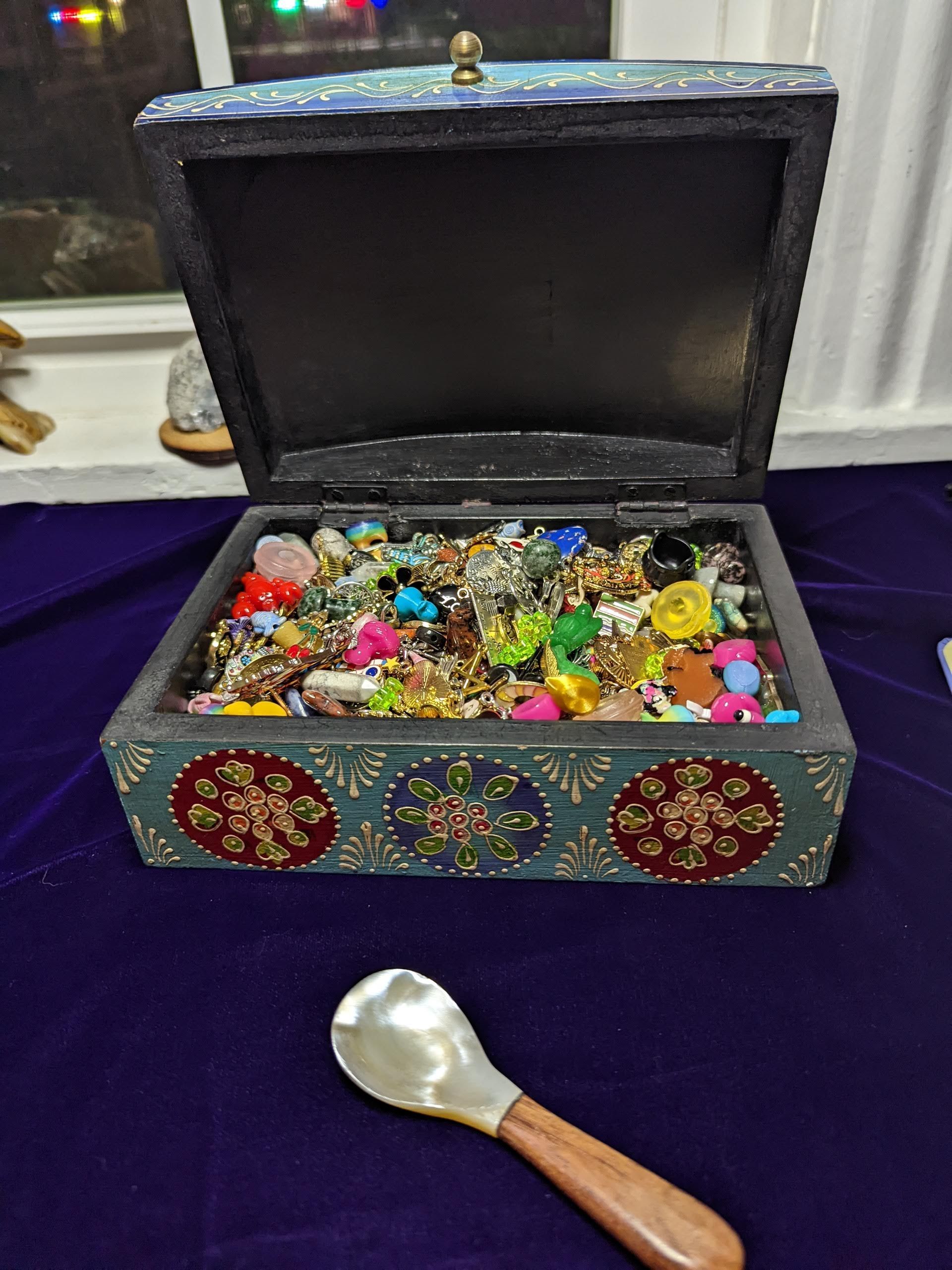
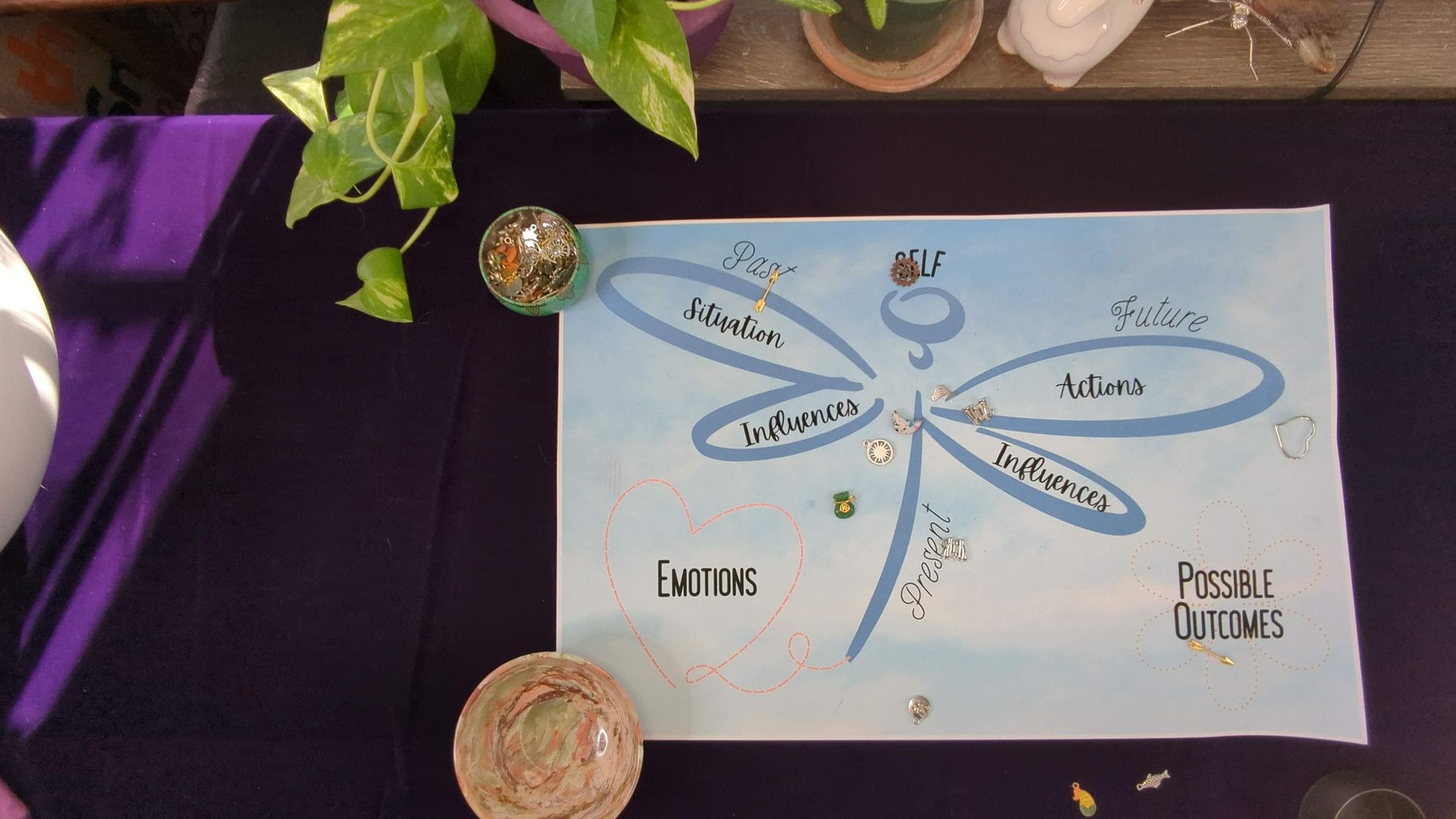
Choose or cast three charms while holding your situation gently in mind. Then explore these three questions.
Charm One: What am I not seeing clearly?
Don't ask this charm to expose some secret future outcome. Instead, let it help you look at the situation from another angle.
Suppose you pull a bridge. You might associate a bridge with transition.
Ask yourself:
- Am I already in the middle of a transition?
- Am I expecting myself to know exactly where I'm going before I leave where I've been?
- Is there something connecting these two options that I haven't considered?
- What would help me cross from where I am to where I want to be?
Your interpretation may be completely different. That's the point. You're exploring.
Charm Two: What deserves more attention?
This question can be surprisingly revealing. Maybe you pull a heart. Perhaps relationships need to factor more heavily into your choice. Or maybe the heart immediately makes you think:
What do I actually want?
Maybe you pull a clock and realize timing...not the decision itself...is what's been bothering you. Maybe it's a key and you suddenly recognize an option you dismissed too quickly. Don't rush to translate the charm. Notice what grabs you first.
Charm Three: What is one wise next step?
Notice that I didn't say:
What is the correct answer?
Big decisions sometimes become easier when we stop demanding the entire roadmap. What is one next step? A compass might prompt you to clarify your direction. A book could suggest getting more information. A phone charm could remind you there is a conversation you need to have. An anchor might tell you to get grounded before deciding anything. A bridge may suggest exploring how a transition could actually work. The next step doesn't even have to be the final decision.
It might simply be:
- Ask another question.
- Get the information.
- Have the conversation.
- Sleep on it.
- Notice how I feel tomorrow.
That is still movement.
Don't Ask Your Charms to Carry More Responsibility Than They Should
There are some questions I wouldn't hand over to charm divination...or any intuitive practice. A charm shouldn't decide whether you stop medication. It shouldn't replace legal advice. It shouldn't determine whether you make a major financial investment. And it shouldn't override important real-world information because you pulled a symbol you liked.
Charm divination works beautifully as a reflection tool. That means it can sit beside logic, research, trusted advice, your values, your experience, and professional expertise when appropriate. You don't have to choose between intuition and information. You can use both.
One Question I Would Avoid
When people are uncertain, the first question is often:
"What should I do?"
I understand why. But I've found that more open questions tend to create more useful reflection.
Instead, try asking:
- What am I overlooking?
- What matters most here?
- What am I afraid of?
- What possibility haven't I considered?
- What information do I still need?
- What am I trying to control?
- What would I choose if I trusted myself?
- What deserves my attention right now?
- What is my next step?
Notice the difference. These questions don't surrender your power. They invite you deeper into the conversation.
But What If I'm Just Hearing What I Want to Hear?
You might be. That's part of being human. We bring our hopes, fears, experiences, expectations, and assumptions into almost everything we interpret. The goal isn't to become perfectly objective. It's to become more aware. If you pull a charm and immediately know exactly what you want it to mean, that's information too.
Ask yourself:
Why do I want it to mean that?
That question alone can uncover quite a bit. And if you find yourself spiraling into:
"What if I interpreted it wrong? What if this is a warning? What if I miss the message?"
I've written an entire article about that.
Read Intuition or Anxiety? How to Tell the Difference When You're Seeking Guidance for a deeper look at recognizing the quieter voice of intuition without turning every symbol into something you need to decode perfectly.
You Are Allowed to Put the Charms Away
Here's another important part of intuitive practice:
Sometimes the wisest thing you can do is stop asking.
If you pull again...
and again...
and again...
because you haven't received the answer you hoped for, you're probably no longer gathering perspective.
You're searching for certainty.
Put the charms away.
Go take a walk.
Make tea.
Talk to someone you trust.
Gather more information.
Sleep.
Come back later.
You are not required to solve everything in one sitting. Sometimes clarity arrives after you stop demanding it.
The Real Practice Is Learning to Hear Yourself
This is why I believe charm divination can be useful when you're making decisions. Not because the charms know your life better than you do. Not because every charm predicts what's going to happen. And certainly not because your future is locked into whichever tiny metal object happened to land on your table.
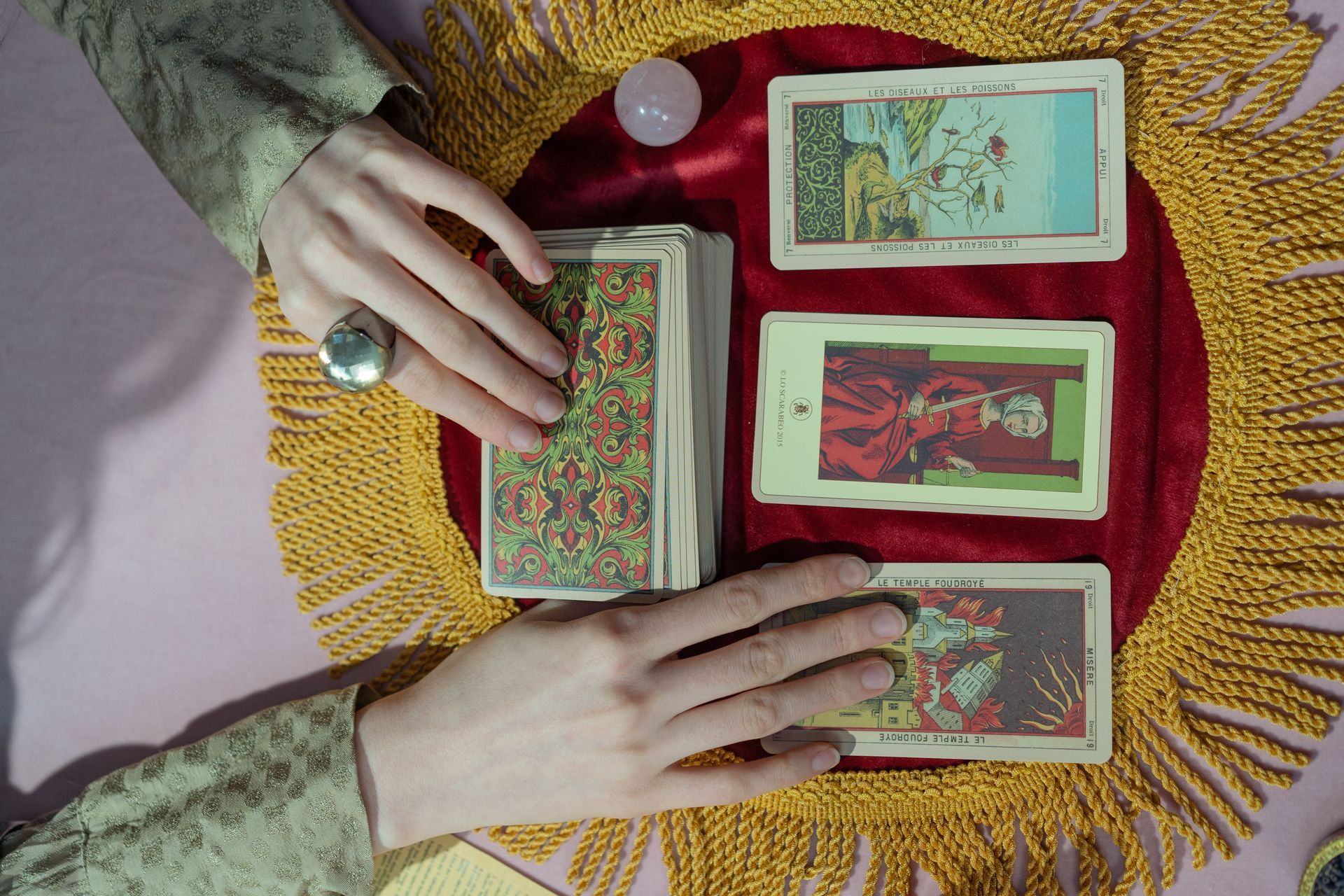
The magic is in the pause. You ask a question. A symbol appears. You notice your response.
And suddenly you're looking at something you've been thinking about for three weeks from a slightly different angle. That can be enough to create movement. Because ultimately, I don't want charm divination to make you more dependent on divination.
I want it to help you become more confident recognizing your own inner voice.
Guidance can point toward the door. Self-trust helps you decide whether to walk through it.
Want to Practice This With Your Own Charms?
If you're new to charm casting, start small. Pull one charm. Ask one reflective question. Notice what comes up before looking for the traditional meaning.
You can explore the Charm Meanings Library when you'd like another layer of symbolism, or read How to Read Charms for Intuition: A Gentle Beginner Method for a simple way to begin working with charms yourself. And then practice.
That's really where intuition grows. Not from one giant mystical revelation. From little moments of noticing. Again. And again. And again.
A Monthly Way to Keep Practicing
That ongoing practice is also at the heart of the Charm Divination Dispatch Mail Club.
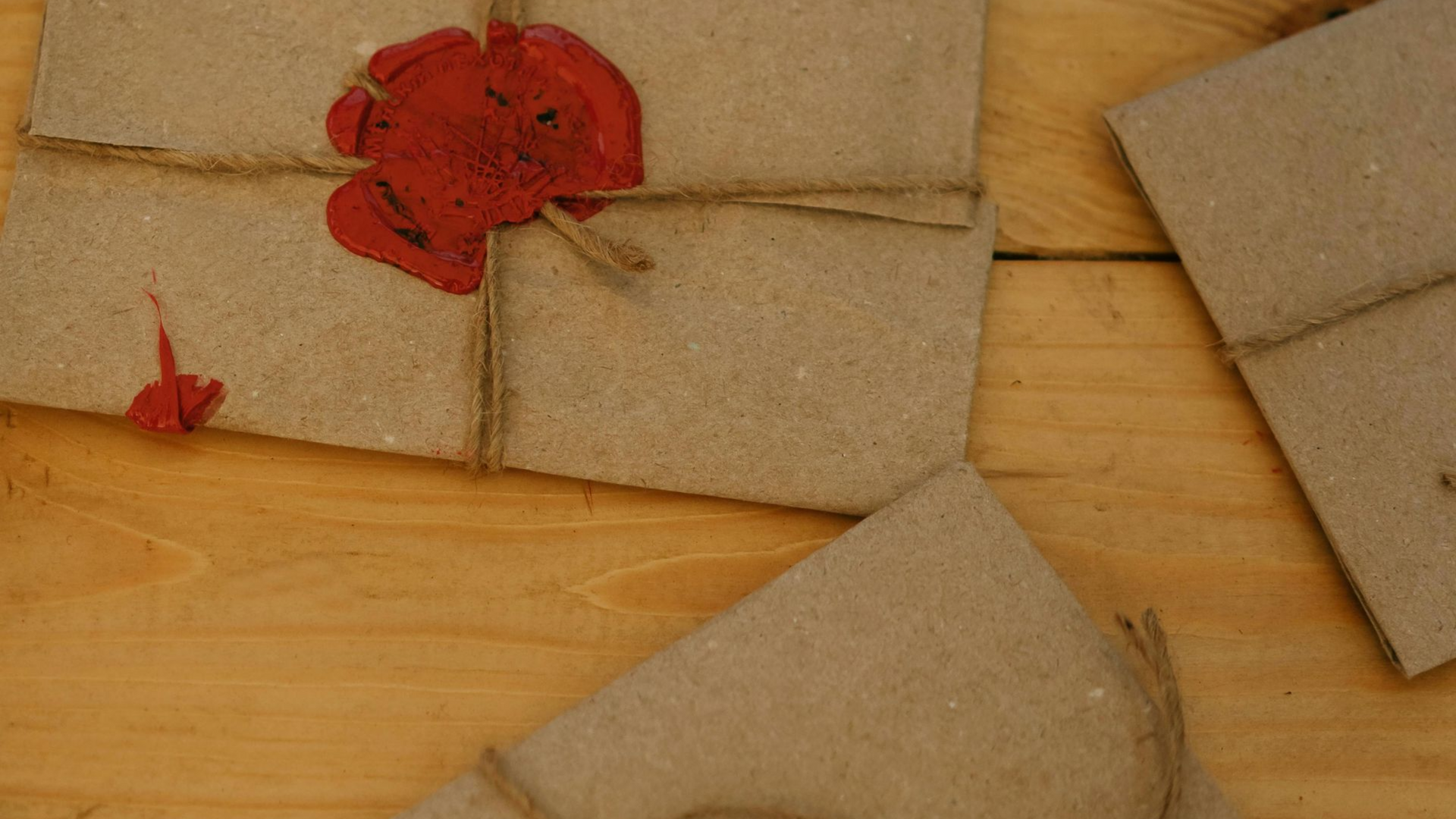
Each month, a new charm gives you another symbol to explore, another opportunity to notice your first impressions, and another reason to pause and listen to yourself. It's part charm collecting, part intuition practice, and part delightful little piece of snail-mail magic. Because sometimes growing your intuition doesn't need to look terribly serious. Sometimes it looks like opening your mailbox and finding a tiny charm waiting for you.
Collect Wonder. Trust Yourself.
Looking for guidance around something specific?
If you're feeling too close to a situation to see it clearly, you can also explore a personalized Charm Reading. The reading uses symbolism, intuitive interpretation, and reflection to help uncover patterns, perspectives, and possibilities surrounding your question.
The choice...and your power...always stays with you.
Frequently Asked Questions
Can charm divination tell me what decision to make?
Charm divination is better used as a tool for reflection than as an authority making decisions for you. A reading may help you notice concerns, possibilities, feelings, or perspectives you haven't considered, but the final choice remains yours.
What questions should I ask charms when making a decision?
Instead of asking "What should I do?" try reflective questions such as "What am I overlooking?", "What deserves more attention?", "What information do I still need?" or "What is one useful next step?"
Can I use charm divination for important decisions?
You can use charms as one source of reflection, but they should not replace appropriate professional advice, reliable information, or careful consideration—especially for medical, legal, financial, safety, or other high-stakes decisions.
How many charms should I use for a decision reading?
You can begin with just one. A simple three-charm reflection can also explore what you may not be seeing clearly, what deserves more attention, and what next step could be helpful.
What if I don't understand the charm I pull?
Start with your immediate response before searching for a definition. Notice any thought, memory, feeling, person, word, or association the charm brings up. Then explore its traditional symbolism and see whether the two connect.
References
- Starcke, K., & Brand, M. (2016). Effects of stress on decisions under uncertainty: A meta-analysis. Psychological Bulletin, 142(9), 909–933. https DOI: 10.1037/bul0000060.
- Duque, A., Cano-López, I., & Puig-Pérez, S. (2022). Effects of psychological stress and cortisol on decision making and modulating factors: A systematic review. European Journal of Neuroscience. DOI: 10.1111/ejn.15721.